

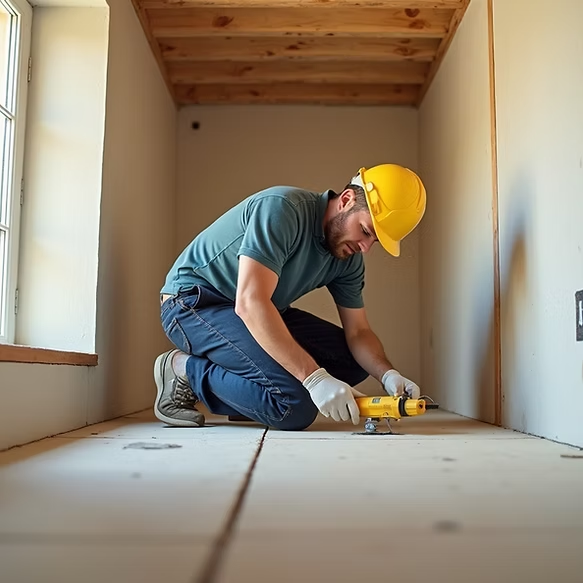
In recent years, the construction industry has seen a significant shift towards sustainability. Homeowners and builders alike are becoming more aware of their environmental impact. This is especially true in Atlanta, where eco-friendly practices are gaining traction. One area that has seen notable advancements is drywall installation. This blog post will explore the top eco-friendly drywall installation trends in Atlanta, highlighting innovative materials, techniques, and practices that are making a difference. The Rise of Sustainable Materials One of the most significant trends in drywall installation is the use of sustainable materials. Traditional drywall is made from gypsum, which is mined and processed, often resulting in a high carbon footprint. However, many companies are now offering eco-friendly alternatives. Recycled Content Drywall Recycled content drywall is made from post-consumer materials, such as recycled paper and gypsum. This type of drywall reduces waste and minimizes the need for new raw materials. In Atlanta, several suppliers offer this option, making it easier for builders to choose sustainable materials. Hempcrete and Other Natural Alternatives Another exciting trend is the use of natural materials like hempcrete. Hempcrete is a biocomposite made from hemp hurds and lime. It is lightweight, insulating, and has a low environmental impact. While it is not a direct replacement for drywall, it can be used in conjunction with traditional materials to create a more sustainable building envelope. Innovative Installation Techniques Eco-friendly drywall installation is not just about the materials used; it also involves the techniques employed during the installation process. Here are some innovative methods that are gaining popularity in Atlanta. Low-VOC Adhesives and Paints Volatile organic compounds (VOCs) are harmful chemicals found in many adhesives and paints. They can contribute to indoor air pollution and have negative health effects. Many contractors in Atlanta are now using low-VOC or VOC-free products during drywall installation. This not only improves indoor air quality but also aligns with eco-friendly building practices. Modular Construction Modular construction is another trend that is making waves in the industry. This method involves prefabricating sections of a building off-site and then assembling them on-site. This approach reduces waste and can lead to faster installation times. In Atlanta, several builders are adopting modular techniques, which often include eco-friendly drywall options. Energy Efficiency and Insulation Energy efficiency is a crucial aspect of sustainable building practices. Proper insulation can significantly reduce energy consumption in homes. Here are some ways drywall installation is contributing to energy efficiency in Atlanta. Insulated Drywall Systems Insulated drywall systems combine drywall with insulation materials, creating a more energy-efficient wall assembly. These systems can help maintain comfortable indoor temperatures and reduce heating and cooling costs. Many builders in Atlanta are incorporating these systems into their projects, making homes more energy-efficient. Green Building Certifications Many homeowners are seeking green building certifications, such as LEED (Leadership in Energy and Environmental Design). To achieve these certifications, builders must adhere to specific guidelines, including the use of eco-friendly materials and practices. In Atlanta, drywall installation that meets these standards is becoming increasingly common. Local Sourcing and Community Impact Supporting local businesses is another trend that is gaining traction in Atlanta. By sourcing materials locally, builders can reduce transportation emissions and support the local economy. Here are some ways this trend is manifesting in drywall installation. Local Suppliers and Manufacturers Many contractors are now partnering with local suppliers and manufacturers to source eco-friendly drywall and materials. This not only reduces the carbon footprint associated with transportation but also fosters community relationships. Homeowners can feel good knowing that their projects are supporting local businesses. Community Education and Involvement In addition to sourcing materials locally, many builders are also engaging with the community to promote sustainable practices. Workshops and seminars on eco-friendly building techniques are becoming more common in Atlanta. These events help educate homeowners and builders about the benefits of sustainable drywall installation. The Future of Eco-Friendly Drywall Installation As the demand for sustainable building practices continues to grow, the future of eco-friendly drywall installation looks promising. Here are some trends to watch for in the coming years. Smart Technology Integration Smart home technology is becoming increasingly popular, and its integration with drywall installation is on the rise. Builders are exploring ways to incorporate smart sensors and energy-efficient systems into drywall assemblies. This can lead to more efficient energy use and improved indoor air quality. Increased Focus on Life Cycle Assessment Life cycle assessment (LCA) is a method used to evaluate the environmental impact of a product throughout its life cycle. As awareness of sustainability grows, more builders in Atlanta are considering LCA when selecting materials for drywall installation. This trend will likely lead to more informed choices and a greater emphasis on truly sustainable options. Embracing Change for a Greener Future The trends in eco-friendly drywall installation in Atlanta reflect a broader movement towards sustainability in the construction industry. By embracing innovative materials, techniques, and community involvement, builders and homeowners can make a significant impact on the environment. As you consider your next construction or renovation project, think about how you can incorporate these eco-friendly practices. Not only will you contribute to a healthier planet, but you will also create a more comfortable and efficient living space.
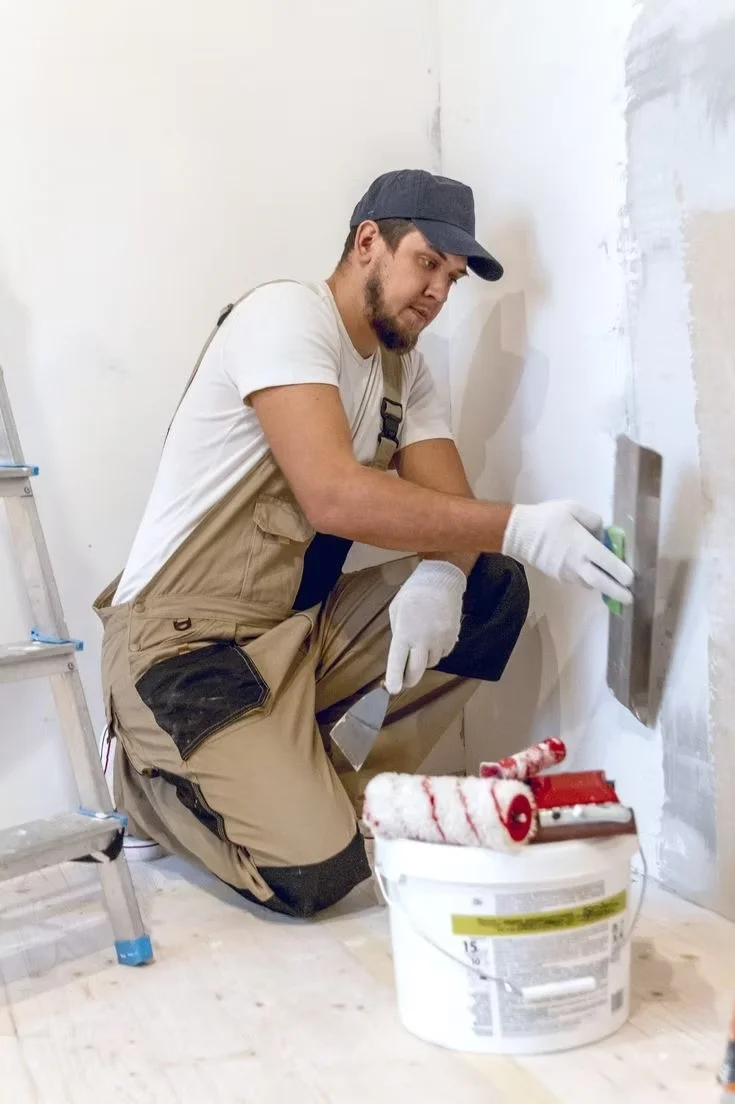
Expert Tips for Flawless Drywall Finishing in Midtown
Drywall finishing can be a daunting task, especially if you are new to home improvement projects. Whether you are renovating your home or working on a new build, achieving a smooth and flawless finish is essential. In Midtown, where homes often showcase beautiful interiors, the quality of your drywall finishing can make a significant difference. This blog post will provide you with expert tips to help you master the art of drywall finishing. Understanding the Basics of Drywall Finishing Before diving into the tips, it is important to understand what drywall finishing entails. This process involves applying joint compound to the seams and fasteners of drywall sheets. The goal is to create a smooth surface that is ready for painting or wallpapering. The finishing process typically includes three main steps: Understanding these steps will help you appreciate the importance of each phase in the finishing process. Gather the Right Tools Having the right tools is crucial for successful drywall finishing. Here are some essential tools you will need: Having these tools on hand will make the process smoother and more efficient. Prepare Your Workspace A clean and organized workspace is essential for drywall finishing. Here are some tips to prepare your area: Taking the time to prepare your workspace will save you time and effort later on. Master the Taping Technique Taping is a critical step in drywall finishing. Here are some tips to ensure you do it correctly: Mastering the taping technique will set a solid foundation for the rest of the finishing process. Perfect Your Mudding Skills Mudding is where the magic happens. Here are some expert tips for applying joint compound: Perfecting your mudding skills will significantly improve the quality of your finish. Sanding for a Flawless Finish Sanding is the final step in the drywall finishing process. Here are some tips to achieve a flawless finish: Sanding may seem tedious, but it is essential for achieving a professional-looking finish. The Importance of Patience One of the most important aspects of drywall finishing is patience. Rushing through the process can lead to mistakes and a less-than-perfect finish. Here are some reminders to keep in mind: Patience is key to achieving the flawless drywall finish you desire. Common Mistakes to Avoid Even experienced DIYers can make mistakes during drywall finishing. Here are some common pitfalls to watch out for: Being aware of these common mistakes can help you avoid them and achieve a better finish. When to Call in the Professionals While many homeowners can successfully finish drywall on their own, there are times when it is best to call in the professionals. Here are some situations to consider: Knowing when to call in the experts can save you from frustration and ensure a high-quality finish. Final Thoughts on Drywall Finishing Achieving a flawless drywall finish in Midtown is possible with the right tools, techniques, and a bit of patience. By following these expert tips, you can transform your space and create a beautiful backdrop for your home. Remember to take your time, avoid common mistakes, and don’t hesitate to seek professional help when needed. With practice, you will become more confident in your drywall finishing skills. Soon, you will be able to tackle any drywall project with ease. Happy finishing!
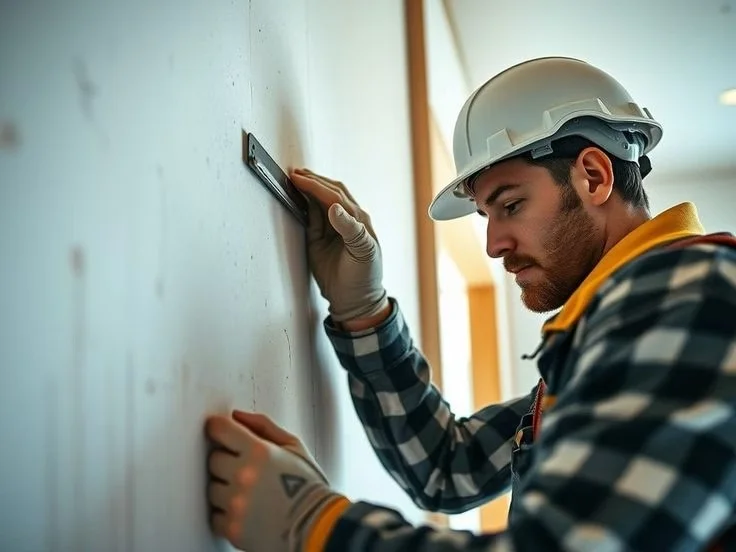
How to Choose the Best Fire-Resistant Drywall for Your Home
When it comes to home safety, fire resistance is a crucial factor that many homeowners overlook. Fire-resistant drywall can be a game-changer, providing an extra layer of protection for your home and family. But with so many options available, how do you choose the best fire-resistant drywall for your needs? In this guide, we will explore the different types of fire-resistant drywall, their benefits, and tips for making the right choice. Understanding Fire-Resistant Drywall Fire-resistant drywall, also known as Type X drywall, is specially designed to withstand high temperatures and slow the spread of fire. It is made with a core that contains glass fibers, which help to improve its fire resistance. This type of drywall is commonly used in areas of the home that require additional fire protection, such as garages, basements, and around furnaces. Why Choose Fire-Resistant Drywall? There are several reasons to consider fire-resistant drywall for your home: Types of Fire-Resistant Drywall When selecting fire-resistant drywall, it is essential to understand the different types available. Here are the most common options: 1. Type X Drywall Type X drywall is the most widely used fire-resistant drywall. It is designed to withstand fire for up to one hour. This type is ideal for walls and ceilings in areas that require fire resistance, such as garages and utility rooms. 2. Type C Drywall Type C drywall offers even more fire resistance than Type X. It can withstand fire for up to two hours. This type is often used in commercial buildings but can also be beneficial in residential settings, especially in multi-family homes. 3. Cement Board Cement board is another option for fire resistance. It is made from cement and reinforced with fiberglass. This type of board is often used in areas exposed to moisture, such as bathrooms and kitchens, and provides excellent fire resistance. Key Features to Look For When choosing fire-resistant drywall, consider the following features: 1. Fire Rating The fire rating indicates how long the drywall can withstand fire. Look for products with a fire rating that meets or exceeds local building codes. 2. Thickness Fire-resistant drywall typically comes in 1/2-inch and 5/8-inch thicknesses. Thicker drywall generally offers better fire resistance. Choose the thickness that best suits your needs and local regulations. 3. Moisture Resistance If you are installing drywall in areas prone to moisture, such as bathrooms or kitchens, consider moisture-resistant fire-resistant drywall. This type helps prevent mold and mildew growth. 4. Ease of Installation Some fire-resistant drywall can be heavier and more challenging to install than standard drywall. Consider your skill level and whether you will be hiring a professional for installation. Installation Tips Installing fire-resistant drywall requires careful planning and execution. Here are some tips to ensure a successful installation: 1. Follow Local Building Codes Always check local building codes before installation. These codes will provide guidelines on the type of drywall required for specific areas of your home. 2. Use Proper Tools Ensure you have the right tools for the job. This includes a drywall saw, T-square, and drywall lift if needed. Using the correct tools will make the installation process smoother. 3. Securely Fasten the Drywall Use screws rather than nails to secure the drywall. Screws provide a stronger hold and reduce the risk of the drywall pulling away from the studs over time. 4. Tape and Mud the Joints Properly taping and mudding the joints is essential for a seamless finish. Use fire-resistant joint tape and compound to maintain the fire rating of the drywall. Maintenance and Care Once your fire-resistant drywall is installed, it is essential to maintain it properly. Here are some maintenance tips: 1. Regular Inspections Periodically inspect your drywall for any signs of damage, such as cracks or water stains. Address any issues promptly to maintain its fire-resistant properties. 2. Avoid Excessive Moisture Keep areas with fire-resistant drywall dry. Excess moisture can compromise the integrity of the drywall and lead to mold growth. 3. Repair Damage Immediately If you notice any damage, repair it as soon as possible. Use fire-resistant materials for any repairs to ensure the fire rating remains intact. Cost Considerations The cost of fire-resistant drywall can vary based on several factors, including the type of drywall, thickness, and installation costs. Here are some points to consider: 1. Material Costs Type X drywall typically costs more than standard drywall, but the added safety benefits can justify the expense. Type C drywall is usually more expensive than Type X due to its higher fire resistance. 2. Installation Costs If you plan to hire a professional for installation, factor in labor costs. Installation can be more complex for fire-resistant drywall, which may increase labor expenses. 3. Long-Term Savings While the initial investment may be higher, fire-resistant drywall can lead to long-term savings through lower insurance premiums and reduced risk of fire damage. Real-Life Examples To illustrate the benefits of fire-resistant drywall, consider these real-life scenarios: Example 1: Family Home The Johnson family decided to renovate their basement. They chose Type X drywall for the walls and ceiling. After a small electrical fire in the neighborhood, they felt relieved knowing their basement was protected. The fire-resistant drywall contained the flames, allowing them to escape safely. Example 2: Multi-Family Building In a multi-family building, the owner opted for Type C drywall in shared walls. This decision not only met local building codes but also provided peace of mind for tenants. When a fire broke out in one unit, the fire-resistant drywall helped contain the flames, preventing widespread damage. Making the Right Choice Choosing the best fire-resistant drywall for your home involves careful consideration of your specific needs. Here are some final tips to help you make the right decision: 1. Assess Your Needs Consider the areas of your home that require fire resistance. High-risk areas, such as garages and utility rooms, may benefit from thicker drywall. 2. Consult Professionals If you are unsure about which type of drywall to choose, consult with a professional contractor. They can provide
 by Webdigiex